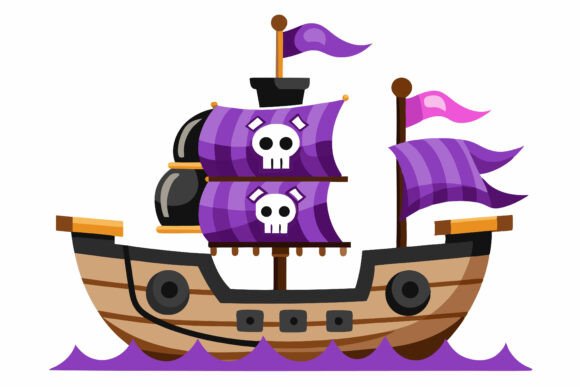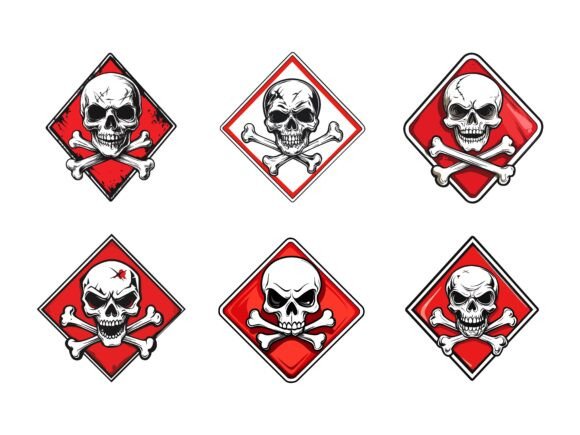
Toxin, Pirate Skull Pictoram: Essential Insights for Quality Vector Art
When you first set eyes on a set called Toxin, Pirate Skull Pictoram, it’s easy to get caught up in the bold visual impact. The imagery often promises just the right mix of danger, rebellion, and vintage edge—perfect for a clothing brand, a streaming overlay, or an app that needs a harder aesthetic. Yet, many creatives and entrepreneurs jump into using such vector illustrations without looking past the preview thumbnail, only to find themselves wrestling with messy files, broken layers, or colors that refuse to budge. The Toxin, Pirate Skull Pictoram collection stands out precisely because it sidesteps these everyday frustrations, but only if you know what to look for in the first place.
A smart approach to any illustration set isn’t about grabbing the cheapest option or the most sensational artwork. It’s about understanding how the files are built, where they will be used, and how much time you’ll need to invest before they become production-ready. Overlooking these details might not ruin a single project immediately, but over time, inconsistent icons and hours of rework silently drain your efficiency and dilute your visual identity. Let's look at the common oversights designers, marketers, and small business owners make with edgy vector sets like pirate skull pictograms, and how a well-prepared resource changes the outcome.
Misunderstanding “Ready to Use” in Vector Illustrations
A frequent mistake is assuming that downloading an EPS or AI file means you can drop it straight into your layout without any adjustments. While the Toxin, Pirate Skull Pictoram collection arrives as neatly organized AI and EPS files, many similar products on the market are little more than a bunch of unsorted paths with no meaningful layer names. You open the file, and everything is grouped under ‘Layer 1’—a nightmare when you only need the skull outline but have to manually ungroup and hunt for the right compound path. This disorganization adds friction, especially when you’re on a tight deadline for a product label or a social media graphic.
The better way to evaluate readiness is to check the file structure before you commit. Look for descriptive layer naming, logical grouping of elements, and the ability to isolate parts like the crossbones, toxin droplet, or skull eyes. In the Toxin, Pirate Skull Pictoram set, every component is built with this kind of intention, so when a clothing designer needs to recolor the skull for a black t-shirt print versus a white one, they aren’t wasting an hour selecting individual anchor points. Asking for a screenshot of the layers panel or reading the product description for phrases like “neatly organized layer structure” can save you from a bad purchase.
Overlooking Consistency Across the Set
Pictogram sets often suffer from a subtle but damaging flaw: the line weights, corner styles, and level of detail fluctuate from icon to icon. You might pick one perfect skull, but find that the accompanying toxin bottle or crossed swords have thicker strokes or a different curvature logic. When these elements sit side by side in an infographic, app navigation, or printed poster, the lack of consistent visual language makes the whole project look sloppy. This is a common trap for hobbyists setting up a gaming channel or marketers creating a themed campaign—they trust that a pack sold together will match, but it rarely does without a careful vendor.
The Toxin, Pirate Skull Pictoram illustrations address this by maintaining perfection in details and consistency. That means every element—from the most intricate skull cracks to the smallest droplet shape—shares the same design DNA. This isn’t just about aesthetics; it directly affects how your audience perceives your brand. A startup using inconsistent icons for a security app might unintentionally signal a lack of professionalism, while a cohesive set like this builds instant coherence. Before buying any icon pack, zoom in on a few random icons at 400%. Look for matching stroke ends, comparable complexity, and a unified style. If the preview doesn’t let you do that, be cautious.
Thinking All Editable Files Work the Same Way
“Editable” is a word that gets thrown around loosely. Many users assume that opening an AI or EPS file in their software means they can freely change colors, scale, or reshape elements. In practice, some vector files contain embedded raster images, unexpanded strokes, or complex masks that break when you try to recolor them. A blogger who needs to tint a pirate skull pictogram to match a website palette might end up with an unpleasant shock if the file wasn’t built with simple, clean fills and transparent backgrounds.
What makes the Toxin, Pirate Skull Pictoram different is how easy it is to modify colors and adapt each icon. The files are constructed with flat, well-defined areas and global swatches or easily selected shapes, so you can replace a toxic green with a deep purple for a Halloween stream overlay in seconds. This matters tremendously for entrepreneurs testing different brand colors or educators creating reusable learning materials. When you test a prospective set, try to select a main element and change its fill. If that takes more than a couple of clicks, you’ll lose that time repeatedly across dozens of projects. A genuinely user-friendly set pays for itself in avoided headaches.
Ignoring Format and Platform Compatibility
Not everyone works in Adobe Illustrator. Many small business owners and content creators rely on alternatives like Affinity Designer, CorelDRAW, or even Canva for quick adjustments. A common mistake is downloading an AI-only pack without checking whether the included EPS version opens correctly on a Mac or Windows system with non-Adobe software. Sometimes EPS files saved from newer AI versions won’t render properly in older programs or open with a host of artifacts. The Toxin, Pirate Skull Pictoram set is explicitly designed for both Mac and Windows users and includes both AI and JPG formats, giving you a fallback preview and a universal exchange file that works across most vector apps.
The JPG inclusion is often undervalued. It serves as a quick reference, a placement file in presentations, or a temporary asset when you don’t have your vector editor handy. If you ever need to drop a skull icon into a Word document or a low-res pitch deck, the JPG version saves you from manually exporting. Before buying, always confirm the exact file types and versions. If a vendor only offers AI and no EPS, or doesn’t specify compatibility, you could face unexpected costs—either the time to convert files online or the price of a new software subscription just to extract a single icon.
Forgetting How Print and Web Specifications Differ
A skull pictogram that looks crisp on a retina screen might turn muddy on a t-shirt or a large-format poster if the original file lacks proper scalability. Vector graphics by nature can scale infinitely, but practical details like minimum stroke widths, complex gradients, or overly fine details can cause problems during screen printing or sublimation. Someone ordering a batch of branded merchandise with a toxin symbol from an unoptimized vector might see the design fill in or lose detail at smaller embroidery sizes, while a well-crafted illustration holds its integrity across a range of applications.
The Toxin, Pirate Skull Pictoram is meant for print, web, symbols, apps, and infographics. That versatility comes from the way the details are balanced—neither too microscopic for business cards nor too chunky for a 4K streaming background. When you plan to use an icon both as a 16x16 pixel favicon and as a massive event banner, demand balanced detail levels. Open the file in outline mode and inspect the smallest features. If they disappear into a blur at thumbnail size, you may need to simplify. A well-structured set, like this one, reduces that rework because the creator has already considered multiple endpoints.
What to Check Before You Commit
You don’t need to be a professional designer to make a confident decision about a vector illustration set. Focus on a few practical checks. First, ensure the file package includes both AI and EPS, and preferably a raster format like JPG or PNG for quick previews. Next, verify that the description mentions layer organization or structured grouping—this tells you the artist valued usability, not just output. For sets with a dark, edgy theme like Toxin, Pirate Skull Pictoram, open a few files and test color changes on the skull, the toxin elements, and any background shapes; if you can’t easily recolor them, think twice.
Also, consider licensing clarity. Even a perfectly constructed pictogram set becomes a liability if you aren’t sure about commercial use. Reputable sellers state permissions plainly, and the best ones, like this collection, are designed for commercial work from the start, whether for print, apps, or client projects. Finally, match the style to your purpose. A pirate skull with a gritty, detailed look might be ideal for a metal band logo but too complex for a clean mobile app interface. The Toxin, Pirate Skull Pictoram balances detail with readability, which is why it works across symbols, infographics, and digital products without overwhelming the viewer.
The difference between a frustrating asset and a beloved resource often comes down to these seemingly small factors. A neat layer structure, easy color customization, cross-platform compatibility, and consistent detailing aren’t just buzzwords—they are the practical safeguards that protect your project timeline and your creative flow. When you invest in an AI EPS illustration set like Toxin, Pirate Skull Pictoram, you’re not merely buying a pack of skull images; you’re choosing a production partner that respects your workflow. And in a world where visual content is the first handshake with your audience, that choice matters more than any rushed decision ever could.