Cricket Ball Fire Logo: Dynamic Vector Art for Every Project
What Exactly Is the Cricket Ball Fire Logo Illustration Set?
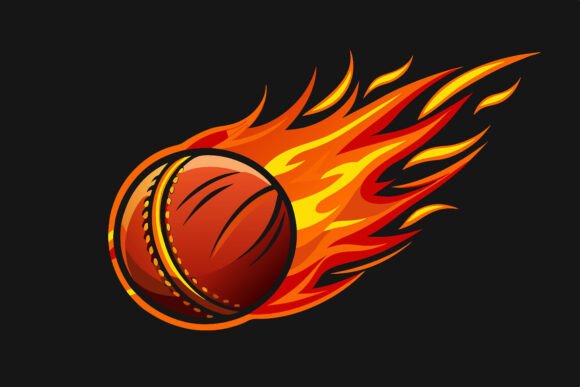
At its core, this digital collection features a striking cricket ball engulfed in flames — a bold symbol of energy, passion, and the intense spirit of the game. But the product is much more than a single image. It’s a carefully organized package of AI, EPS, and JPG files, designed to work seamlessly on both Mac and Windows platforms. The artwork comes in a vector format, which means you can resize it without losing quality, recolor individual elements, and adapt the shapes to suit specific layouts.
The file structure is neat and logical, with layers named clearly so you don’t waste time hunting for the right component. Every curve, shadow, and highlight has been refined for consistency. Whether you need a full-color logo for a large banner or a simplified icon for a mobile app, the source files give you that level of control. The included JPG acts as a quick preview or ready-to-use raster version when vectors aren’t necessary.
This isn’t just a clip art sticker slapped into a folder. It’s a foundation that invites adaptation, making it useful for a surprisingly wide range of creators, from someone building their first sports blog to a seasoned designer tackling a client’s full branding package.
Why Different Audiences Connect with a Cricket Ball Fire Logo
The emotional pull of a cricket ball on fire is universal for fans, but the practical value shifts depending on who you are and what you’re trying to accomplish. Understanding these different perspectives can help you evaluate whether this illustration set aligns with your own goals.
Sports Bloggers and Small Business Owners
If you run a cricket niche website, a YouTube channel, or a small e‑commerce store selling fan gear, you need visuals that instantly communicate excitement. A generic ball won’t stand out. A fire‑infused logo grabs attention in social feeds, thumbnails, and product mockups. For you, speed matters: you can pull up the editable AI file, tweak the team colors, drop it onto a t‑shirt template, and have a new merch design in minutes. There’s no need to commission custom illustrations from scratch, which saves both budget and time.
Designers and Creative Professionals
Experienced graphic designers might see this as a flexible asset to accelerate client work. Maybe a local cricket club needs a crest for their kit, or a tournament organizer wants a fiery emblem for promotional banners. Because the illustration is broken into well‑named layers, you can isolate the flames, duplicate the ball, adjust stroke weights, and even combine the elements with typography to form a complete identity. The vector sharpness ensures that when the design is blown up for a stadium sign or a vehicle wrap, every edge remains crisp.
App Developers and UI Designers
A cricket‑themed game, a live scores app, or even a fantasy sports platform can benefit from a distinctive, scalable icon. The clean layers make it simple to generate assets at multiple resolutions, from tiny favicon sizes to splash screens. Because colors can be altered globally, you can match the logo to your app’s palette without re‑rendering anything. The consistency of the original illustration means you won’t end up with odd visual glitches when compressing for mobile use.
Educators and Content Creators
Teachers explaining the physics of swing bowling, coaches illustrating field placements, or presenters adding flair to a cricket history workshop might not need a full‑scale logo. But a vivid, fire‑touched ball can anchor a slide deck, worksheet, or instructional poster. The JPG version offers an instant drop‑in solution, while the vector files let you create clean line‑art variations if you prefer a more schematic look. It’s a way to make dry material feel a little more alive.
Hobbyists and DIY Enthusiasts
Cricket lovers who enjoy personal projects — custom phone wallpapers, birthday party invites, scrapbook elements, or even stencil art for a homemade poster — often find that high‑quality vector artwork gives their ideas a polished finish. You don’t need advanced software skills to get results. Many free vector editors can import AI or EPS files, and even simple color changes or cropping can yield a unique piece without requiring you to draw a single line.
Practical Ways Different Users Apply the Cricket Ball Fire Logo
Real‑world examples bridge the gap between a file collection and your own project. Let’s look at a few scenarios that highlight how varied needs translate into actual use.
Merchandise creator with a print‑on‑demand store: You upload the vector ball to your design tool, add a witty phrase, and place it on mugs, caps, and hoodies. Because the source art is high resolution and well‑organized, the print partner’s system interprets the file correctly, reducing the risk of rejection due to raster artifacts or messy overlaps.
Freelance illustrator building a brand identity: A client wants a cricket academy logo that feels both classic and fiery. You import the AI file into your workspace, keep the ball as a core motif, but completely rework the flames to match a more abstract style. The underlying structure saves you from having to model 3D stitching and leather textures yourself, while still giving you total artistic freedom.
Social media manager for a sports news outlet: Quick‑turn posts about a heated match are easier when you have an eye‑catching emblem you can repurpose. The JPG file works immediately for stories, while the editable vector lets you overlay team flags or player numbers for special editions. You don’t need to bother the design team for every minor variation.
Beginning designer learning vector editing: The neatly layered file becomes a learning tool. You can click through each group to see how professional illustrators construct shading, highlights, and gradients. By changing colors, hiding layers, and exporting sections, you practice essential skills on a real‑world project rather than dry tutorials.
Features That Shape Your Experience
Any illustration set can look good in a preview. The question is whether it fits the way you actually work. These considerations often matter differently depending on your priorities.
Flexibility Without Overcomplication
For some, the ideal asset “just works” out of the box. For others, the ability to deconstruct and rebuild is everything. This set sits in a comfortable middle ground. The JPG version is ready for immediate use if you’re in a rush. The AI and EPS files, on the other hand, invite deeper customization. You can adjust colors, swap the fire style, or extract the ball alone as a standalone icon. Because the file structure is tidy, you won’t spend hours detangling fused paths or unnamed elements. That matters whether you’re a newbie trying to learn the ropes or a pro who bills by the hour.
Consistency for Professional Output
When you pay attention to detail — and this product’s description emphasizes perfection in details and consistency — you avoid awkward surprises. The ball’s seams, the flame tips, and the shading all follow a coherent style. If you’re printing on dark backgrounds, the fire retains its intensity; on light backgrounds, the ball’s deep reds provide solid contrast. For web and app use, the edges are anti‑aliased cleanly, so the icon looks smooth at standard sizes. This reliability saves you from having to patch up sloppy vector work before sending a project live.
Cross‑Platform Convenience
Being designed for both Mac and Windows removes a common headache. You can share the files with collaborators on different operating systems without worrying about font mismatches or missing effects because the artwork is purely vector‑based. The native AI format preserves all Illustrator‑specific features, while the EPS acts as a universal exchange format that opens in CorelDRAW, Affinity Designer, Inkscape, and similar programs. This flexibility is especially valuable if your workflow involves multiple tools or if you’re handing off assets to a printer who may use different software.
Which Priorities Lead You to Choose an Asset Like This?
Different projects place different values on factors like ease of use, cost, long‑term usefulness, and creative control. Recognizing your own priorities can clarify whether this set aligns with your situation.
Ease of use: If you need a result within the next hour, the pre‑made JPG and the well‑organized layers let you skip the heavy lifting. Beginners and busy marketers often value this above all else.
Quality and reliability: If your project ends up on a large‑format print or a high‑DPI screen, clean vectors are non‑negotiable. The set delivers the crisp outlines and smooth gradients that raster graphics simply can’t match.
Creative control: Some users never want to use a stock graphic as‑is. They see it as a starting point. The editable nature, with separated elements, means you can push the design in a completely new direction while still benefiting from a solid foundation.
Commercial application: Entrepreneurs creating merchandise, game assets, or client deliverables need legally clear, royalty‑free artwork. A purchased illustration set typically grants commercial usage rights (always verify the license terms), which makes it much safer than scraping images from a search engine.
Learning potential: For someone teaching themselves vector illustration, a professionally structured file is an underrated resource. You can reverse‑engineer techniques, study how grouping and layering are handled, and experiment without fear of breaking a live client project.
Does This Fit Your Goals, Skill Level, and Timeline?
Not every tool fits every person, and honest self‑assessment saves disappointment. If you’ve never opened a vector editor before, you’ll still be able to use the JPG immediately, but tapping into the full potential of the AI or EPS files might require a short learning curve. Many free tutorials exist for basic tasks like changing colors, ungrouping objects, and exporting sections. So if you’re willing to spend an evening learning, the investment pays off in reusable skills.
If you’re an experienced designer, you’ll likely appreciate the time savings more than anything. Instead of blocking out a realistic cricket ball and stylized fire from scratch, you can start from a high‑end base and refine. This frees up hours for the parts of the project that truly require original thinking, like typography, layout, and concept development.
For hobbyists and casual creators, the key question is whether you have a specific project in mind. A random download can gather digital dust. But if you’re planning event decorations, a fantasy league trophy graphic, or a personalized gift, having a sharp, editable illustration adds a layer of polish that makes the final result feel intentional rather than cobbled together.
Making the Most of Your Illustration Set
Whichever direction you take, small practices can elevate the final result. When changing colors, maintain contrast so the fire doesn’t blend into a dark background. If you scale down for an icon, consider simplifying the flame shapes slightly so details don’t become noise. When placing the logo on merchandise, test print a small sample first, because screen colors and fabric absorption can shift hues unexpectedly.
Don’t overlook the organization. Before you start editing, take a minute to review the layers panel. Rename groups for your own clarity, lock elements you don’t intend to modify, and save incremental versions. This habit prevents frustration later, especially if you’re collaborating with someone else.
Finally, think beyond the obvious. The cricket ball fire logo can become a loading spinner for a cricket app, a watermark for match replay videos, a neon sign effect for a fan zone website, or even a cut file for a vinyl plotter if paths are converted correctly. The more you treat the set as raw material rather than a finished product, the more mileage you’ll get out of it.